Import from China to Europe is the regulated process by which EU companies source goods from China and legally place them on the European Union market, including supplier management, shipping, customs clearance, duties, VAT, and compliance with EU product regulations.
More than 70% of goods imported into the EU from China are delayed, re-costed, or re-checked at least once before reaching their final destination—not because of logistics failures, but due to documentation, tax, or compliance errors.
This almost unbelievable figure highlights a critical reality: importing from China to Europe is not a simple purchasing decision, but a tightly regulated commercial operation. Unlike other markets, the European Union places legal responsibility squarely on the importer, regardless of where production takes place. One missing document, one incorrect customs value, or one non-compliant label can stop an entire shipment at the border.
As EU companies increasingly rely on Chinese manufacturing, understanding the full import process has become a strategic necessity rather than an operational detail. From supplier coordination and transport selection to customs clearance, VAT logic, and product compliance, every step affects cost, timing, and legal exposure.
This guide breaks down the complete import process from China to Europe, explaining how EU companies can reduce risk, control costs, and ensure their goods enter the market smoothly and legally.
What Does Import from China to Europe Involve
Import from China to Europe refers to the structured process by which goods are manufactured in China and legally placed on the European Union market for sale or distribution. This is not a global import concept, but one that is strictly bound to EU-specific regulations, customs rules, tax systems, and product compliance frameworks.

Any EU-based company acting as the importer becomes the legally responsible party for the goods once they enter the EU customs territory.
The scope of importing into Europe includes supplier selection in China, contract terms, production oversight, international transportation, customs clearance at the EU border, and post-clearance obligations such as VAT accounting and product liability.
Unlike some other markets, the EU treats the importer as the economic operator, meaning responsibility does not end with delivery. Compliance with EU directives, safety standards, and labeling rules applies regardless of where the product was manufactured.
Importing from China to Europe also implies operating within a single customs union but multiple tax jurisdictions. While customs duties are harmonized at EU level, VAT rules, rates, and reporting obligations vary by member state.
This makes import planning a regulatory exercise, not just a logistical one. For EU companies, successful importing is therefore a combination of supply chain coordination, legal compliance, and financial structuring rather than a simple purchasing activity.
Import from China to Europe: Step-by-Step Process
Import from China to Europe follows a clearly defined sequence of steps that must be completed in the correct order to avoid delays, additional costs, or compliance risks. The process starts with selecting a reliable supplier in China and agreeing on specifications, pricing, Incoterms, and payment conditions.
At this stage, EU companies should already consider whether the product will meet European regulatory and safety requirements, as responsibility ultimately lies with the importer.
Once production is completed, goods are prepared for export, packed according to international transport standards, and accompanied by preliminary documentation. The next phase is international shipping, during which the cargo moves from China to the EU by sea, air, or rail. During transit, transport documents are issued and finalized, forming the basis for customs clearance.
Upon arrival at the first point of entry into the European Union, the goods must be declared to customs. This includes submitting documentation, assigning the correct customs value, and paying applicable duties and import VAT. After customs release, goods can circulate freely within the EU single market.
The final step involves domestic delivery to the warehouse or customer and fulfilling post-import obligations such as VAT reporting, record keeping, and product traceability.
Required Documents for Import from China to Europe
Importing goods from China into the European Union requires a precise set of documents that enable customs authorities to identify, value, and legally release the goods. The commercial invoice is the core financial document, detailing the buyer, seller, product description, unit price, total value, and agreed Incoterms.
Closely linked to this is the packing list, which specifies how the goods are packed, including quantities, weights, and dimensions, allowing customs and logistics providers to physically match the shipment with the declaration.

Transport documentation is equally critical. Depending on the shipping method, this may be a Bill of Lading, Air Waybill, or Rail Waybill, each serving as proof of shipment and, in some cases, ownership of the goods.
In addition to commercial and transport documents, regulatory paperwork plays a decisive role.
Many products require product certification to demonstrate compliance with EU safety and conformity rules. This often includes CE marking documentation, declarations of conformity, and supporting technical files.
Customs may also request additional certificates such as origin statements, test reports, or licenses for controlled goods. Missing, inconsistent, or inaccurate documentation is one of the most common causes of customs delays and penalties when importing into Europe.
Customs Clearance When Importing from China to Europe
Customs clearance is the legal process that allows goods arriving from China to enter the European Union market.
This procedure takes place at the first EU port or airport of entry and must be completed before the goods can circulate freely within the EU. The importer, or a formally appointed customs representative, is responsible for submitting the customs declaration and ensuring that all information is accurate and complete.
A central requirement for EU customs clearance is the EORI number, which uniquely identifies the importing company within the EU customs system. Without a valid EORI, goods cannot be cleared, regardless of their value or urgency. During clearance, customs authorities assess the declared customs value, verify the commodity code, and determine the applicable duties and import VAT.
Many EU companies choose to work with a customs broker to handle this process, as errors can lead to shipment holds, financial penalties, or post-clearance audits. Customs may also perform documentary or physical inspections to confirm compliance with EU regulations.
Once duties and taxes are paid or secured, customs releases the goods, allowing them to move onward to warehouses or customers anywhere within the EU single market without further border controls.
Import Duties, VAT, and Taxes in the EU
When importing goods from China into the European Union, companies must account for import duties and value added tax, both of which are mandatory at the point of customs clearance. Import duties are harmonized across the EU and are calculated based on the product’s customs classification, customs value, and country of origin.
This means the same product imported into different EU countries will generally be subject to the same duty rate.

VAT, however, follows a different logic. While import VAT is charged at the border, the applicable rate depends on the EU member state where the goods are cleared.
Rates typically range from 17 % to 27 %, and the importer is responsible for declaring and, in most cases, reclaiming this VAT through the local tax system. This makes the choice of entry country a strategic financial decision.
Accurate documentation is critical for correct tax calculation. Product descriptions, values, and classifications must be consistent across all documents, including any translations required by authorities, such as translation from Chinese to English for invoices or technical descriptions.
Errors or ambiguities in translated documents can trigger reassessments, delays, or additional tax liabilities. Proper tax planning therefore combines customs knowledge, VAT structuring, and documentation accuracy.
Shipping from China to Europe: Sea, Air, or Rail
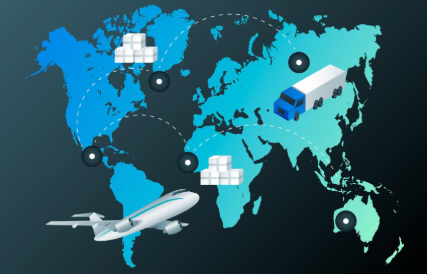
Choosing the right shipping method is a key strategic decision when importing goods from China to the European Union, as it directly affects cost, transit time, and supply chain reliability. Sea freight is the most commonly used option for EU imports, particularly for large volumes and heavy cargo.
Transit times typically range from 30 to 45 days, but the cost per unit is significantly lower than other transport modes, making it suitable for non-urgent shipments.
Air freight offers the fastest delivery, often within 5 to 10 days, including customs clearance. This option is usually reserved for high-value, time-sensitive, or low-volume goods due to substantially higher transport costs. While speed is its main advantage, air freight requires careful planning to ensure that the product value justifies the expense.
Rail transport has emerged as an intermediate solution between sea and air. With transit times of approximately 15 to 25 days, rail provides faster delivery than sea at a lower cost than air. However, route availability, capacity constraints, and geopolitical factors can affect reliability.
For EU companies, the optimal shipping method depends on product characteristics, inventory strategy, and overall cost structure rather than speed alone.
Import from China to Europe: Typical Costs Breakdown
The total cost of importing from China to the European Union goes far beyond the unit price agreed with the supplier. Product cost is only the starting point and often represents 50–70 % of the final landed cost, depending on the nature of the goods and order volume. To this base price, international transport must be added, with costs varying significantly by shipping mode, fuel prices, and seasonal demand.

Customs-related costs form the next layer. These include import duties based on the EU customs tariff, as well as import VAT, which is calculated on the sum of product value, transport, and duties. Administrative fees, such as customs brokerage and port handling charges, further increase the total.
Less visible but equally important are indirect and hidden costs. These may include quality inspections, compliance testing, storage, demurrage, and currency conversion fees. Payment-related expenses are often underestimated, especially when using international payment methods or cards, where bank charges or visa-related transaction fees may apply.
When all elements are combined, the final landed cost can be 20–40 % higher than the initial product price, making accurate cost modeling essential for EU importers.
Quality Control and Compliance for the European Market
Quality control and regulatory compliance are critical when importing goods from China into the European Union, as EU law places primary responsibility on the importer rather than the manufacturer.
Before products are shipped, EU companies should ensure that specifications, materials, and performance requirements are clearly defined and verified through inspections or third-party testing.
Pre-shipment quality checks help identify defects early, reducing the risk of costly returns or recalls once the goods arrive in Europe.
Compliance goes beyond product quality and focuses on meeting mandatory EU legal requirements. Many product categories must conform to specific EU directives or regulations, which may include safety, environmental, or consumer protection rule0s.
For such products, CE marking is required, supported by a declaration of conformity and technical documentation that proves compliance. Even if testing or certification is carried out in China, the EU importer remains legally accountable for the accuracy and completeness of this documentation.
Failure to meet EU compliance standards can result in customs blocks, market surveillance actions, fines, or product withdrawals. Authorities may also request documentation years after importation. For this reason, quality control and compliance should be treated as an integrated, ongoing process rather than a one-time checklist before shipment.
Read also:
Import Direct from China: How It Works and Why It Matters
How to find reliable suppliers in China
The most common mistakes when choosing China import agents